Crataegus monogyna (syn. C. laevigata, C. oxyacantha), or hawthorn, is a thorny shrub or small tree of the Rosaceae family, with tri-lobed leaves, clusters of white flowers, and bright red berries. Native to northern temperate Europe, it is widely naturalized in the United States and cultivated commercially in the United Kingdom, Albania, Bulgaria, Romania, and Poland. Around 280 species exist, with C. monogyna and C. laevigata most common in commerce; C. Documented since the 1st century CE by Greek herbalist Dioscorides and later by Paracelsus (1493–1541 CE), hawthorn has been utilized in European and Chinese herbal practices. Flowering branches are harvested in spring; berries in fall before first frost.
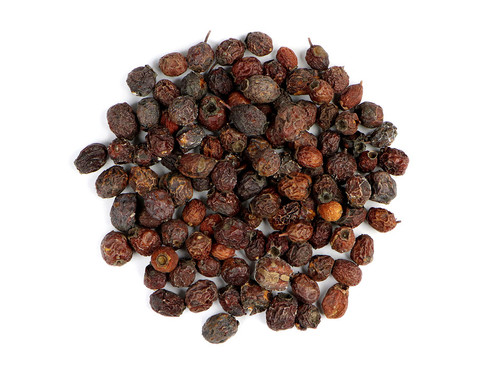
- Berries: Dried whole berries are used for teas, syrups, cordials, jams, liquid extracts, or tinctures, offering traditional preparation methods.
Hawthorn Berry Precautions
Please note that Hawthorn Berries will sometimes develop a white film on the berry. This is natural sucrose maturing in the outer skin.
Hawthorn Berry Powder & Leaf and Flower PrecautionsNo known precautions.
This information has not been evaluated by the Food and Drug Administration. For educational purposes only.